The Challenge
Earlier detection of cognitive decline allows earlier intervention, improving the chances of slowing progression and maintaining quality of life. However, brain health assessment has historically relied on clinic-based testing, restricting reach, efficiency, and accessibility.
The Intuition Brain Health Study aimed to evaluate whether consumer technology and digital cognitive assessments could enable cognitive health monitoring and detection of mild cognitive impairment (MCI) at scale, across a broad and representative population in the US.
Achieving this required a solution capable of delivering fully remote, high-frequency cognitive testing for tens of thousands of participants across diverse demographics, while generating reliable longitudinal data through multiple digital devices.
The Solution
Cambridge Cognition deployed a comprehensive solution, incorporating:
- A targeted selection of their evidence-based digital cognitive assessments including:
- Monthly desktop based cognitive evaluations
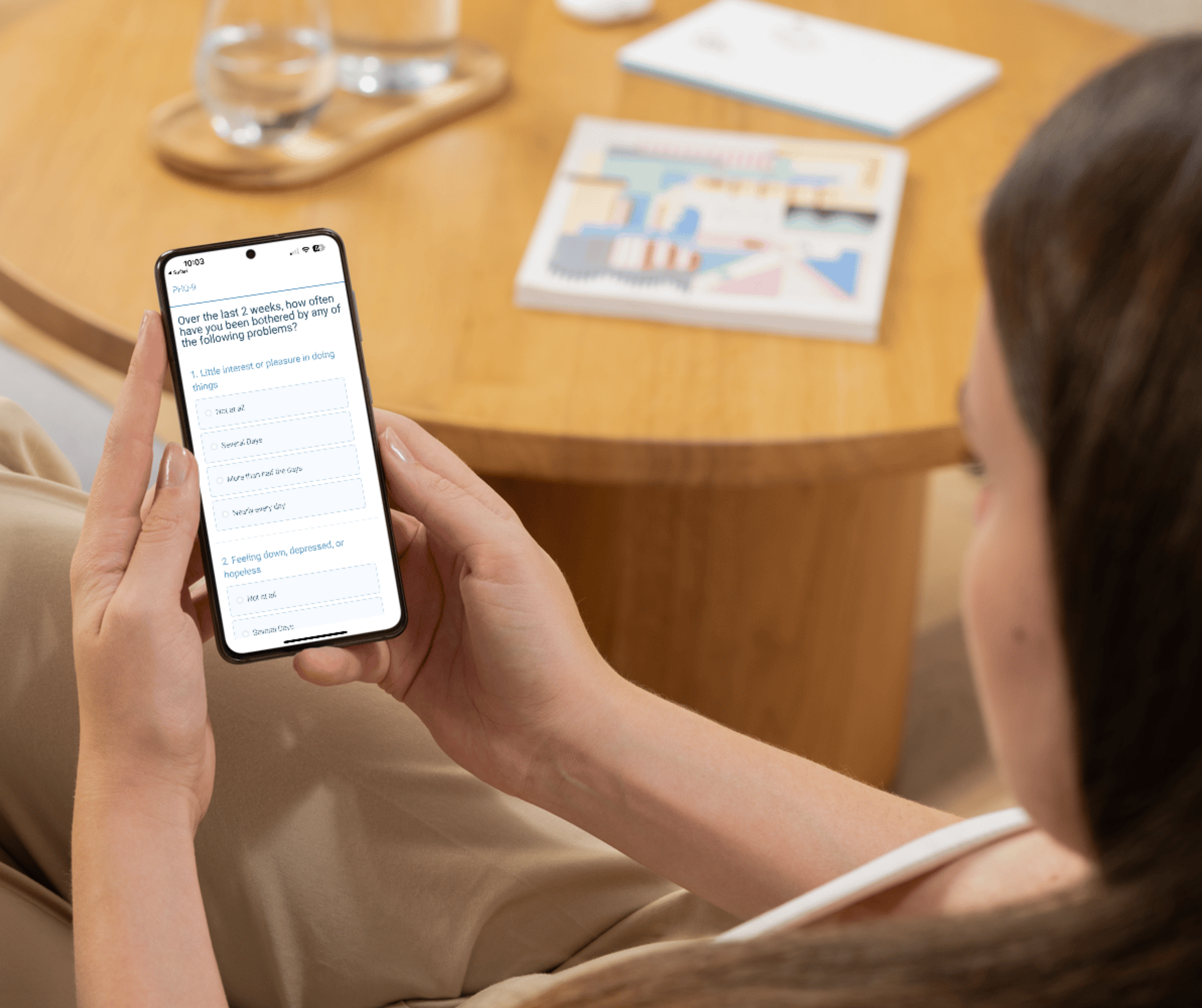
- High-frequency smartphone-based tests within a custom study app
- Multi-platform assessment delivery via Connect their cloud-based platform
- A structured cohort design encompassing:
- Early and middle adulthood controls
- Late adulthood controls
- Individuals reporting subjective cognitive complaints (SCC)
- Participants with mild cognitive impairment (MCI)
“The use of Cambridge Cognition’s assessments in the Intuition study has shown promising results in remote detection of mild cognitive impairment, providing a scalable solution for tracking cognitive health.”
— Paul Monroe Butler, Lead Researcher
Results
The study achieved:
Exceptional demographic representation:
- 31.5% underrepresented racial and ethnic groups
- 34.1% participants without a bachelor’s degree
- 22.1% participants with annual income below $50,000
- 64.4% female participants
- Complete U.S. geographic coverage across all 50 states
Technical excellence:
- Peak performance: 59 simultaneous assessments per minute
- Industry-leading retention with only 10.5% attrition (vs. 49% industry average)
- Robust data collection throughout 12-month duration
Clinical validation:
- Confirmed reliability of unsupervised cognitive testing
- Documented expected age-related cognitive patterns
- Distinguished cognitive performance variations among risk cohorts
- Validated platform scalability and reliability
Study Details
Authors: Butler PM, Au R, Becker A, Bianchi MT, Brown R, Cosne G, et al.Title: "Intuition Brain Health Study: a smartphone- and smartwatch-based virtual, observational study using multimodal mobile sensing to classify and detect mild cognitive impairment"
Posted Date: March 29th, 2024
DOI: https://doi.org/10.21203/rs.3.rs-4173311/v1
Study Identifier: NCT05058950 (https://clinicaltrials.gov/study/NCT05058950)